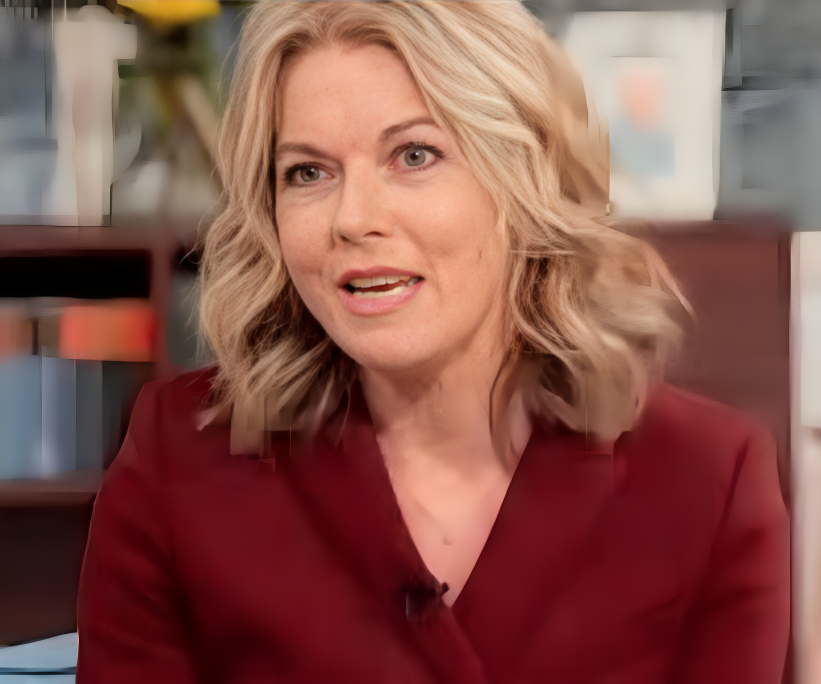
Mary Nightingale, a highly respected and beloved British television presenter, is a well-known face on ITV as the lead anchor of ITV Evening News. Her long and successful career has made her a staple in homes across the United Kingdom. However, in recent years, there has been an increasing amount of speculation regarding her health. As with many public figures, rumors and concerns about their well-being can easily circulate, but it is important to distinguish between factual information and baseless gossip.
In this article, we will delve into the topic of “Mary Nightingale illness,” explore the various rumors that have arisen, and provide a clear view based on verified information about her health. We will also discuss how these rumors can affect public perceptions and the ethical implications of discussing a public figure’s health.
Who is Mary Nightingale?
Before we explore the rumors regarding her health, it’s essential to understand who Mary Nightingale is. Born on May 26, 1963, in Scarborough, North Yorkshire, Mary has had a prolific career in broadcasting. She studied English at Bedford College, University of London, and later worked for BBC and Reuters before joining ITV. She has been the face of ITV Evening News since 2001, gaining trust and recognition as one of the most reliable news anchors in the UK. In addition to her role as a news presenter, she has also presented several documentaries and charity events.
Her warm and professional presence on-screen has earned her multiple accolades, and she has remained a constant in the ever-changing world of television journalism. Despite her fame and success, Mary has managed to maintain a relatively private personal life, which includes her marriage to television producer Paul Fenwick and raising two children.
The Emergence of Illness Rumors
1. The Start of Speculation
The rumors surrounding Mary Nightingale’s health seem to have originated from observations made by viewers during her broadcasts. Over time, some people noticed small changes in her on-screen behavior — a slightly hoarse voice, occasional coughing, or moments of fatigue — which led some viewers to speculate that she might be suffering from an illness.
These isolated observations were then amplified through social media and online forums, where viewers began to express concern about her apparent changes in demeanor. This led to the development of rumors that Mary might be ill, potentially dealing with a chronic condition. However, it’s essential to remember that such observations, without verification, do not necessarily point to any serious illness.
2. Social Media and Viewer Observations
As with many public figures, social media has played a significant role in amplifying rumors about Mary Nightingale’s health. Various threads on online forums and platforms like Twitter have discussed her physical appearance, voice changes, and occasional pauses during her broadcasts. Some viewers have pointed out that she seemed tired or not at her usual energetic self, leading to further speculation.
One example is a thread on a popular British forum where users discussed Mary’s voice and whether it seemed strained during her presentation of the ITV Evening News. This led some viewers to wonder if her voice issues were related to a long-term illness. However, these discussions are based entirely on anecdotal evidence and personal interpretation, without any verified medical information.
What We Know: No Official Confirmation of Illness
Despite the online chatter, there has been no official confirmation from Mary Nightingale or her representatives regarding any health issues or serious illness. As of now, no reputable news outlet has reported any credible information regarding her health status. Mary herself has not addressed any rumors about her illness, which means that anything speculated online remains unverified.
It is also important to consider the possibility that, as a high-profile news presenter, Mary may simply be experiencing the normal challenges that come with a demanding job. Long working hours, stress, fatigue, and even seasonal colds can sometimes cause temporary changes in a person’s voice or behavior. These factors, while not indicative of any major illness, can easily be misinterpreted by the public.
No Verified Illness Reports
When it comes to the health of public figures, particularly those in the media, it’s vital to rely on verified reports from credible sources. In Mary Nightingale’s case, there have been no medical reports, interviews, or public statements confirming that she has been diagnosed with any illness. This means that all rumors regarding her health should be treated with caution, especially when they stem from unverified online sources.
While it’s true that Mary has occasionally displayed signs of fatigue or a slightly hoarse voice during her broadcasts, these moments are likely the result of the normal wear and tear that comes with being in the public eye for so long. In fact, many viewers of live broadcasts may notice these things from time to time, but that does not necessarily mean there is an underlying medical issue.
The Impact of Speculation: Why Rumors About Health Can Be Harmful
1. The Human Curiosity Factor
It’s natural for people to become curious about the well-being of someone they see regularly on television. Viewers who have grown accustomed to seeing Mary Nightingale each night may feel concerned when they perceive a change in her appearance or behavior. However, this curiosity can sometimes turn into unwarranted speculation, especially when there is no confirmed information about her health.
2. The Ethics of Discussing Public Figures’ Health
When it comes to discussing the health of public figures, there are important ethical considerations to keep in mind. Firstly, it’s important to respect the privacy of individuals, especially when it comes to something as personal as their health. Unless a public figure chooses to disclose health information themselves, it is inappropriate to make assumptions or spread unverified rumors.
Furthermore, speculating about someone’s illness can cause harm. For example, if a celebrity or television presenter like Mary Nightingale were to hear rumors about their health circulating online, it could lead to unnecessary stress and anxiety. Public figures are entitled to their privacy just like anyone else, and it is important for the public and media to be mindful of the impact that speculation can have.
3. The Dangers of Social Media and Online Rumors
Social media has made it easier than ever for rumors to spread, especially when it comes to public figures. A simple comment on a Twitter thread or a post in an online forum can quickly snowball into a larger conversation, where facts are often lost, and speculation takes center stage. This is why it is crucial for individuals to be skeptical of health rumors they encounter online, particularly when they come from anonymous sources or unverified accounts.
What Can We Learn From the Speculation?
The rumors surrounding Mary Nightingale’s health serve as a reminder of how quickly misinformation can spread, especially in the age of social media. When discussing the health of any public figure, it’s essential to rely on verified information from trusted sources. Without concrete evidence or official statements, speculation should not be treated as fact.
In Mary Nightingale’s case, it’s important to recognize that the changes some viewers have observed in her appearance or behavior may be the result of factors unrelated to illness — such as stress, fatigue, or temporary vocal strain. Until Mary or her representatives confirm any illness, we should refrain from spreading unverified rumors.
Conclusion
while speculation about Mary Nightingale illness has certainly gained traction online, there is no verified information to suggest that she is suffering from any significant health condition. Any discussions about her health that circulate in the media or on social platforms should be taken with caution, as they are based largely on anecdotal observations rather than factual evidence.
Mary Nightingale continues to be a respected figure in British television, and unless official confirmation comes from her or her representatives, the public should focus on her professional achievements rather than rumors about her personal health. Public figures deserve the same respect and privacy as anyone else, and it’s important for the media and the public to be responsible when discussing their lives, especially when it comes to something as private as health.